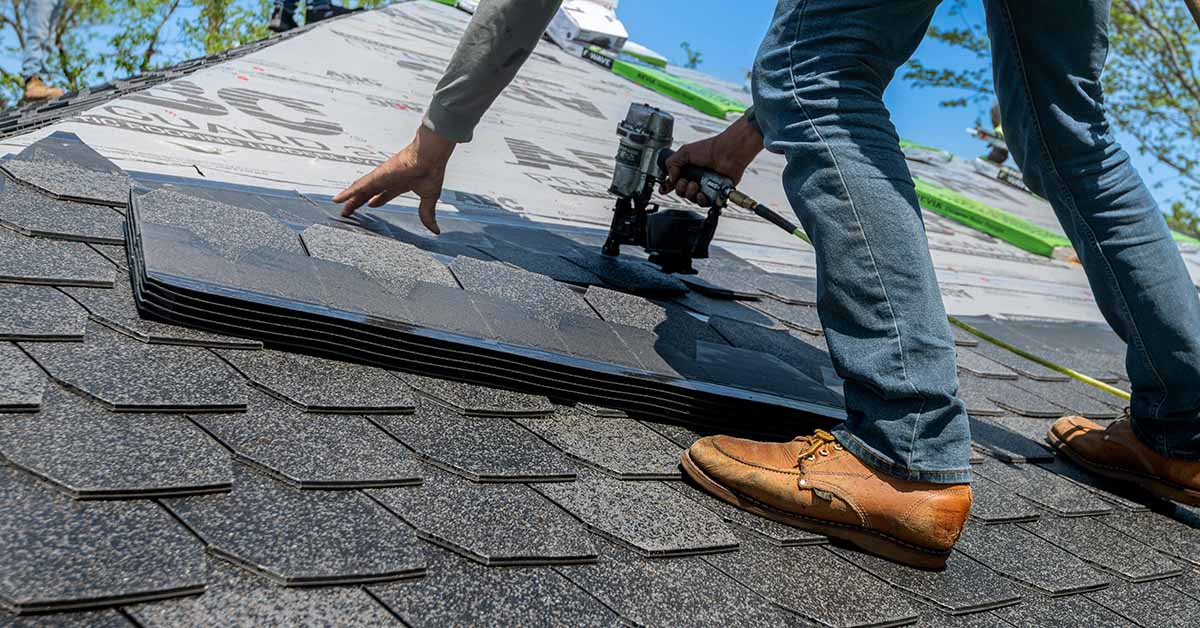
Asphalt shingles are by far the most common roofing material found on California homes, and for good reason. They offer an appealing combination of affordability, adaptability, and generally solid performance across the state’s varied climates. As an InterNACHI-certified home inspector, I’ve found that helping homeowners understand the differences between asphalt shingle types goes a long way toward making informed decisions about maintenance and eventual replacement.
Types of Asphalt Shingles Available in California
Three-Tab Shingles
Three-tab shingles represent the most basic and economical option on the market. You can identify them by their uniform, flat appearance and the distinctive three tabs visible on each strip. When properly installed and routinely maintained, these shingles typically last between 15 and 20 years.
Architectural (Dimensional) Shingles
Architectural shingles, sometimes called dimensional shingles, are thicker and multi-layered, which gives them improved durability along with a more textured, visually interesting look. Many homeowners choose them for enhanced curb appeal, as they represent a moderate upgrade over standard three-tab options. You can expect an architectural shingle roof to last 20 to 30 years, and with excellent care, some can reach up to 35 years of service.
Premium and Luxury Shingles
At the top end of the asphalt shingle market, premium and luxury products offer greater thickness, enhanced artistry, and distinctive suede-like finishes. These shingles are designed to mimic the appearance of natural slate or wood shakes, making them a popular choice for upscale homes. In California, with proper installation and ongoing maintenance, premium shingles can be expected to last 25 to 40 years.
Factors That Affect Shingle Lifespan
Several key factors influence how long your asphalt shingle roof will last:
- Climate: California’s hot, sunny summers can take a toll on shingles through UV damage. Lighter-colored shingles tend to reflect heat more effectively and may last longer as a result.
- Installation quality: Proper nailing techniques, adequate sealing, and good attic ventilation can substantially extend a roof’s longevity.
- Maintenance: Routine inspections, regular gutter cleaning, debris removal, and prompt attention to any leaks are all vital to preserving your roof.
- Foot traffic: Limiting how often people walk on the roof helps prevent granule loss and premature wear.
- Moss and algae: Controlling moss and algae growth is important, as these organisms can degrade shingles over time if left unchecked.
When to Replace Your Asphalt Shingle Roof
It may be time to consider replacing your roof if you notice any of the following signs:
- The roof’s age exceeds its expected lifespan (typically 20 to 30 years for most products)
- Shingles with curled edges, cracks, or missing sections are visible
- Leaks are occurring in multiple locations
- Excessive granules are accumulating in your gutters
- The overall appearance has become faded, scuffed, or silver-edged
InterNACHI Inspection Disclaimer
As an InterNACHI inspector, my evaluation of asphalt roofing is strictly visual and non-invasive, in accordance with the InterNACHI Standards of Practice. The inspection is designed to identify visible defects such as missing or damaged shingles, granule loss, and general signs of aging. However, it does not include warranty assessments, code compliance verification, or predictions about remaining lifespan. For material selection, installation, and repairs, homeowners should always consult a licensed roofing contractor.
For peace of mind and a healthy roof over your head, schedule your InterNACHI inspection today. Get expert roofing insights and learn how to maximize the life of your asphalt shingle roof.